PLASTIC LIMIT APPARATUS in Delhi
Get In Touch
Plastic Limit Apparatus in Delhi
A Plastic Limit Apparatus is used in soil testing laboratories to determine the plastic limit of fine-grained soil. The plastic limit is the moisture content at which soil begins to change from a plastic state to a semi-solid state, identified when a rolled soil thread starts crumbling at approximately 3 mm diameter. This test is important for soil classification and geotechnical investigations. If you are looking for a Plastic Limit Apparatus in Delhi, choose a set that suits your laboratory's testing procedure and requirements.
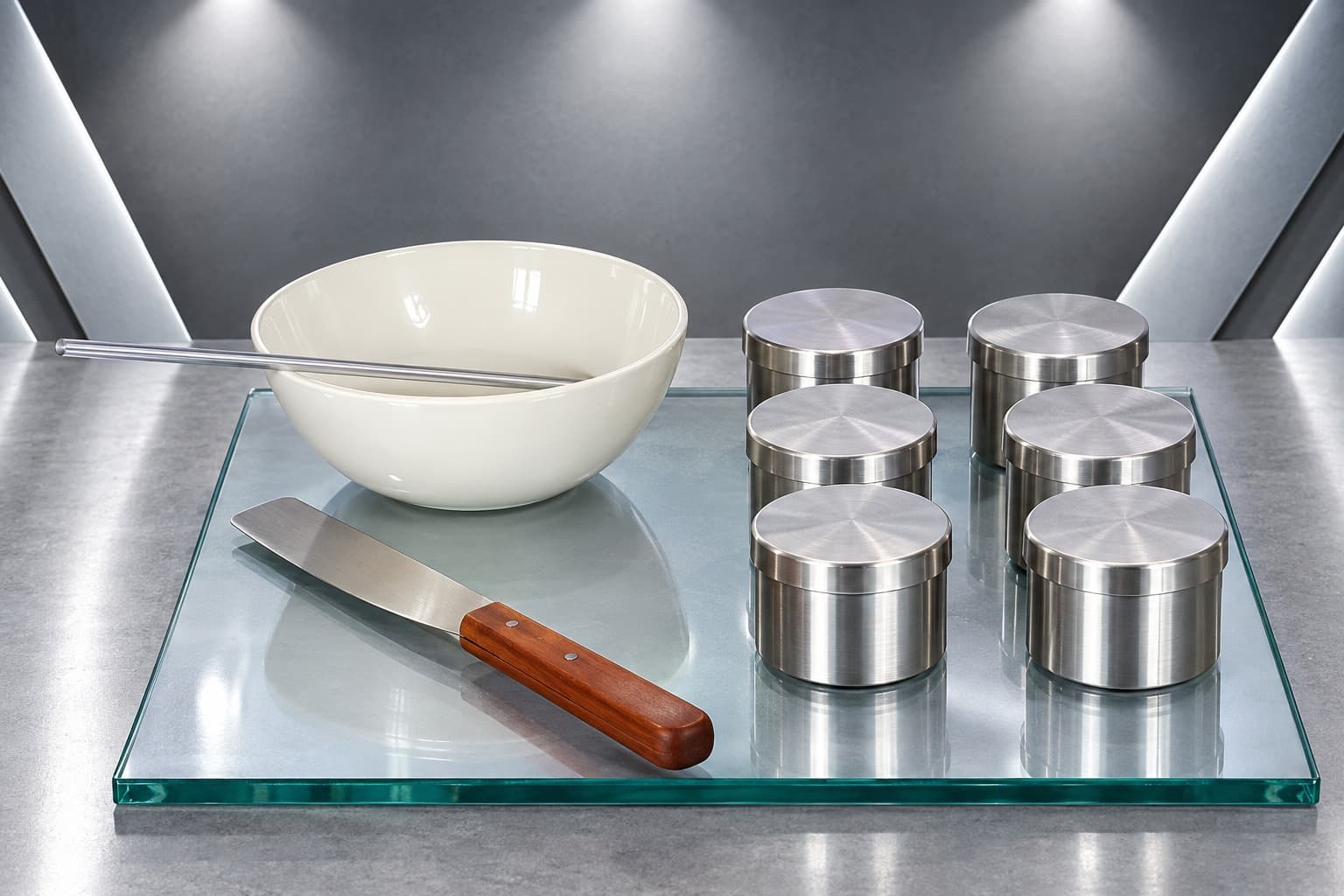
Civil Testing Equipment provides product-related assistance for civil engineering and soil testing equipment enquiries. A typical plastic limit testing set may include a glass plate, metal reference rod, spatula, porcelain dish, and moisture containers. Additional equipment, such as a weighing balance and drying oven, is used to determine the moisture content of the sample.
Plastic Limit Apparatus Manufacturer in Delhi
When evaluating a Plastic Limit Apparatus Manufacturer in Delhi, buyers should check the components included in the set, the dimensions of the glass plate, the diameter of the reference rod, and the suitability of the equipment for the required test method. These details help laboratories select an appropriate setup for routine soil plasticity testing.
Civil Testing Equipment can be contacted to discuss product requirements and obtain relevant product details. Buyers comparing a Plastic Limit Apparatus Manufacturer in Delhi should confirm the supplied configuration and check it against the applicable testing procedure before ordering.
Working Principle of Plastic Limit Testing
The test begins with a prepared soil sample mixed with water until it becomes sufficiently plastic to be moulded. A portion of the soil is rolled on a suitable non-porous surface into a thread. Rolling continues until the thread approaches the specified diameter of approximately 3 mm and begins to crumble. The crumbled soil is collected, and its moisture content is determined using the prescribed laboratory procedure.
The measured moisture content is used to establish the plastic limit. When considered together with the liquid limit, it helps calculate the plasticity index, which is useful in soil classification. Correct sample preparation, suitable equipment, and adherence to the relevant test standard are important for consistent results.
Key Components and Applications
A Plastic Limit Apparatus set may include the following components, depending on the supplied configuration:
-
Glass plate: Provides a suitable surface for rolling the soil into threads.
-
Metal reference rod: Provides a reference for the required thread diameter, commonly around 3 mm.
-
Flexible spatula: Helps mix and handle the soil sample during preparation.
-
Porcelain dish: Holds the soil while water is added and mixed.
-
Moisture containers: Hold soil portions for moisture-content determination.
-
Supporting laboratory equipment: A weighing balance and drying oven may be required to determine the moisture content.
The apparatus is used in geotechnical laboratories, civil engineering colleges, soil investigation facilities, and construction quality-control laboratories. The test can support soil classification and the assessment of engineering properties when interpreted alongside other relevant soil test results.
Plastic Limit Apparatus Supplier in Delhi
Choosing a Plastic Limit Apparatus Supplier in Delhi involves checking the set contents and confirming that the equipment suits your laboratory's test procedure. Before ordering, clarify the glass plate dimensions, reference rod specifications, number of moisture containers, and any additional items required for your workflow.
Civil Testing Equipment can be contacted for product-related enquiries and details about available configurations. Buyers comparing a Plastic Limit Apparatus Supplier in Delhi should review the product description and confirm which components are included in the quotation.
Benefits for Soil Testing Laboratories
Plastic limit testing helps laboratories understand the consistency and plasticity characteristics of fine-grained soils. The result can be used with liquid limit data to calculate the plasticity index, which contributes to soil classification and geotechnical assessment.
For laboratories considering a Plastic Limit Apparatus in Delhi, a suitable set supports the required testing procedure and helps operators prepare soil threads using a consistent reference diameter. The quality of the result also depends on sample preparation, careful handling, and correct moisture-content determination.
Plastic Limit Apparatus Distributor in Delhi
Before purchasing from a Plastic Limit Apparatus Distributor in Delhi, review the supplied components, reference rod dimensions, glass plate details, and available product documentation. Confirm whether supporting items needed for moisture-content determination are included or must be arranged separately.
Civil Testing Equipment welcomes enquiries from soil testing laboratories, educational institutions, civil engineering organisations, and geotechnical professionals. Customers comparing a Plastic Limit Apparatus Distributor in Delhi should explain their requirements clearly and verify the final product details before confirming an order.
Plastic Limit Apparatus Exporter in Delhi
For buyers arranging procurement outside their local market, a Plastic Limit Apparatus Exporter in Delhi may be an option to enquire with about equipment requirements. Buyers should specify the required set configuration, quantity, delivery destination, and any documentation needed for purchasing or shipment.
Product availability, packaging, and shipping arrangements should be confirmed directly before finalising an order. When contacting a Plastic Limit Apparatus Exporter in Delhi, provide clear requirements so the requested equipment can be reviewed before procurement.
How to Select the Right Plastic Limit Apparatus
Consider these points before choosing a set:
-
Test procedure: Identify the applicable standard followed by your laboratory.
-
Glass plate: Check the dimensions and surface suitability for rolling soil threads.
-
Reference rod: Confirm the required diameter, commonly around 3 mm for the test.
-
Included components: Check the dish, spatula, moisture containers, and other supplied items.
-
Supporting equipment: Confirm access to a suitable balance and drying oven for moisture-content determination.
-
Documentation: Request the available product details and operating guidance.
These checks help buyers choose equipment according to the intended test rather than price alone. A Plastic Limit Apparatus in Delhi should be selected based on the laboratory's requirements and the confirmed product configuration.
Why Contact Civil Testing Equipment?
Civil Testing Equipment supports enquiries related to civil engineering and soil testing equipment. Sharing your intended application and required set components helps clarify which product details are relevant to your purchase.
If you need a Plastic Limit Apparatus in Delhi for a soil testing laboratory, educational institution, or geotechnical application, contact the team to discuss your requirements and confirm the available product information.
Get a Quote
Company: Civil Testing Equipment
Phone: +91-8826549585
Email: civiltestingequipment@gmail.com
Frequently Asked Questions
1. What is a Plastic Limit Apparatus used for?
It is used to determine the plastic limit of fine-grained soil by identifying the moisture content at which rolled soil threads begin to crumble at approximately 3 mm diameter.
2. What are the main components of the apparatus?
A typical set may include a glass plate, metal reference rod, spatula, porcelain dish, and moisture containers. A balance and drying oven are also used for moisture-content determination.
3. Why is the plastic limit test important?
It helps determine soil consistency and supports soil classification. Together with the liquid limit, it is used to calculate the plasticity index.
4. What diameter should the soil thread reach?
The soil thread is rolled to approximately 3 mm diameter, at which point crumbling is observed according to the applicable test procedure.
5. Who uses a Plastic Limit Apparatus?
Soil testing laboratories, civil engineering colleges, geotechnical professionals, and construction quality-control teams may use it for soil plasticity testing.
6. What should I check before ordering?
Confirm the applicable test procedure, glass plate dimensions, reference rod specifications, included components, and the supporting equipment needed for moisture-content determination.