Pensky Martin Apparatus in Jalandhar
Get In Touch
Pensky Martin Apparatus Manufacturer & Supplier in Jalandhar
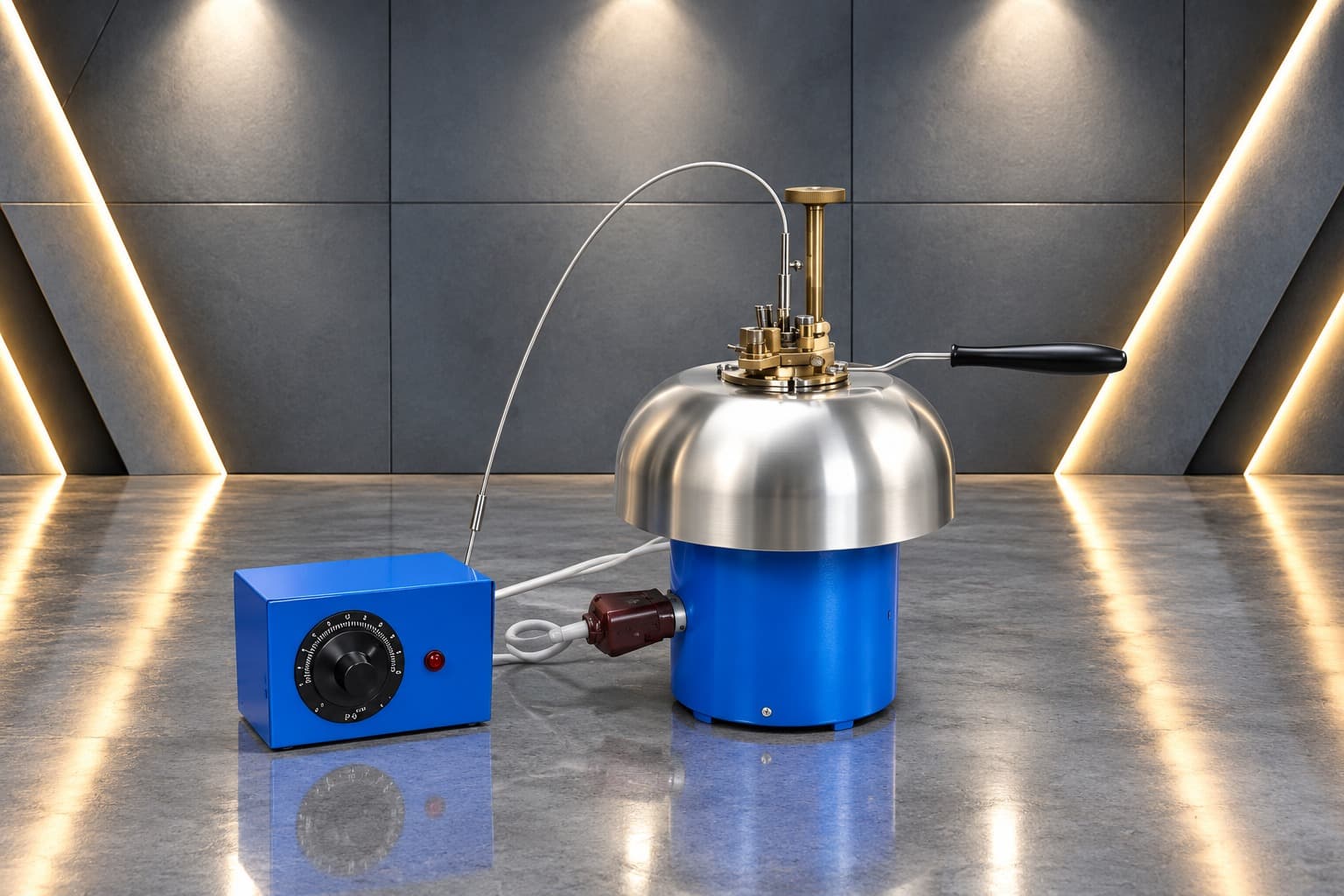
The Pensky Martin Apparatus in Jalandhar is a laboratory testing instrument used to determine the flash point of petroleum products and other suitable liquids using the closed-cup method. Flash point is the lowest temperature, under the prescribed test conditions, at which vapour from a sample ignites when exposed to an ignition source. This measurement helps laboratories evaluate material characteristics relevant to storage, handling, transportation and quality control.
Civil Testing Equipment provides product information and quotation assistance for laboratories, petroleum testing facilities, industrial quality-control departments and engineering organisations. The apparatus typically includes a test cup, cover with shutter, stirring mechanism, heating arrangement, temperature-measuring device and ignition system. The exact configuration depends on whether a manual, semi-automatic or automatic model is selected.
For laboratories sourcing a Pensky Martin Apparatus in Jalandhar, selecting the correct test procedure is essential. Sample characteristics, expected flash-point range, stirring requirements and the applicable standard should all be considered before purchasing. The equipment is used for suitable fuel oils, lubricating oils, residual fuels and other petroleum products covered by the relevant test method.
Pensky Martin Apparatus Manufacturer in Jalandhar
When evaluating a Pensky Martin Apparatus Manufacturer in Jalandhar, buyers should review the construction and functionality of the test cup, lid assembly, shutter, stirrer, heating system and ignition arrangement. In a typical closed-cup setup, the sample is heated under controlled conditions while stirring and ignition operations follow the selected procedure.
The cover assembly helps control the exposure of sample vapours to the ignition source. Temperature measurement and heating-rate control are important because deviations from the prescribed method can affect the observed flash point. Depending on the model, ignition may use a gas flame or an electric system, while automated versions may include electronic detection and digital result display.
Civil Testing Equipment can assist buyers in clarifying the required configuration and identifying the technical information to verify before ordering. Manufacturing capability, component materials, temperature-control performance and automated functions should be confirmed from the selected model's documentation.
Pensky Martin Apparatus Supplier in Jalandhar
A Pensky Martin Apparatus Supplier in Jalandhar should help laboratories identify an instrument compatible with their sample types and testing procedures. Buyers may need a manual, semi-automatic or automatic configuration depending on laboratory workload, preferred operation and reporting requirements.
Before placing an order, confirm whether the supplied equipment includes the test cup, cover assembly, stirrer, ignition device, temperature sensor or thermometer and required operating accessories. Some models require additional accessories or external supplies, so an itemised quotation helps clarify the complete setup.
Civil Testing Equipment supports procurement enquiries for laboratory and industrial applications. Buyers should share the applicable test method, sample category, preferred operating arrangement and quantity to clarify product suitability, availability and delivery expectations.
Pensky Martin Apparatus Distributor in Jalandhar
A Pensky Martin Apparatus Distributor in Jalandhar enquiry may come from fuel-testing laboratories, lubricant manufacturers, petroleum quality-control teams, industrial facilities and educational institutions. These users require a test arrangement that matches the relevant procedure and supports consistent operation.
When comparing models, examine the heating controls, stirring mechanism, ignition arrangement, temperature-measurement system and result-recording features. Automated models may offer electronic flash detection and digital reporting, while manual models require greater operator involvement during the test.
Buyers should also verify the electrical supply, safety features, operating instructions, maintenance requirements and availability of replacement components. The final choice should be based on laboratory needs and the applicable method rather than assumed specifications.
Pensky Martin Apparatus Exporter in Jalandhar
International buyers searching for a Pensky Martin Apparatus Exporter in Jalandhar should confirm destination availability, electrical compatibility, packaging, shipping arrangements and documentation requirements before finalising an order. The required model and accessories should be identified clearly in the purchase enquiry.
For overseas laboratory projects, buyers should also verify compatibility with their governing test procedure and local operating requirements. Export coverage and delivery schedules must be confirmed for each destination rather than assumed.
Specifications of Pensky Martin Apparatus
| Parameter | Details |
|---|---|
| Equipment type | Closed-cup flash-point testing apparatus |
| Main purpose | Determination of flash point |
| Test method | Pensky-Martens closed-cup method |
| Sample categories | Applicable fuels, lubricants and petroleum products |
| Test cup | Cup designed for the specified procedure |
| Cover assembly | Cover and shutter arrangement |
| Stirring | Method-specific stirring mechanism |
| Heating | Electric or gas heating, depending on model |
| Ignition | Manual or automatic arrangement, depending on model |
| Temperature measurement | Compatible thermometer or electronic sensor |
| Result display | Digital display on compatible models |
| Standard | ASTM D93 and other applicable methods, as specified |
Exact operating ranges, heating rates, stirring speeds, electrical requirements and accessories should be verified against the selected model's datasheet.
Working Principle and Technical Features
The Pensky Martin Apparatus in Jalandhar operates by heating a sample inside a covered test cup under prescribed conditions. Vapour forms above the liquid as its temperature rises. At the specified intervals, the ignition source is introduced according to the test procedure. The observed flash point is recorded when a distinct flash occurs as defined by the applicable method.
Important features to evaluate include:
-
A test cup and cover compatible with the selected standard.
-
A shutter mechanism for controlled exposure to the ignition source.
-
A stirring arrangement suited to the test procedure.
-
Controlled sample heating at the required rate.
-
A suitable temperature-measurement device.
-
Gas or electric ignition, depending on configuration.
-
Digital temperature indication on equipped models.
-
Automatic flash detection on compatible instruments.
-
Accessible components for cleaning and inspection.
-
Operating documentation and suitable safety provisions.
ASTM D93 includes procedures for different petroleum sample categories, so the procedure must be selected according to the material being tested. A flash-point result is one important property used in evaluating a liquid; it does not, by itself, describe the complete fire risk of a material in every real-world situation.
Applications and Industries Served
The apparatus is used in petroleum laboratories, fuel-testing facilities, lubricant manufacturing, industrial quality control and laboratories assessing suitable residual fuels or liquids that may form surface films. Flash-point measurements can help identify product characteristics and detect certain forms of contamination by more volatile materials.
Shipping and storage organisations may also use flash-point data as part of applicable safety and regulatory assessments. The required method and interpretation depend on the sample, product specification and relevant regulations.
Applicable Standards and Quality Checks
ASTM D93 is the principal reference for determining flash point using the Pensky-Martens closed-cup method. ISO 2719 and IP 34 may also be relevant where specified by the laboratory or purchasing requirement. Confirm the current edition and the procedure applicable to the sample.
Routine checks should cover test-cup cleanliness, cover and shutter condition, stirrer operation, ignition-system function, temperature-measurement accuracy and heating-rate control. Calibration and maintenance should follow the applicable method and laboratory quality system. Certification and inspection documents should only be considered included when confirmed by the supplier.
How to Select the Right Apparatus
When choosing a Pensky Martin Apparatus in Jalandhar, consider these points:
-
Identify the sample type and applicable test procedure.
-
Determine whether manual, semi-automatic or automatic operation is required.
-
Confirm the expected testing range and temperature-measurement requirements.
-
Check the ignition and stirring arrangements.
-
Verify included accessories, electrical supply and safety features.
-
Review the technical datasheet and operating documentation.
-
Confirm the quotation, availability and delivery schedule.
Get a Quote from Civil Testing Equipment
Civil Testing Equipment assists buyers with enquiries for laboratory and industrial testing equipment. To request a quotation, share the sample category, applicable standard, preferred instrument configuration, required quantity and delivery location. This information helps clarify the suitable model and the scope of supply.
Company: Civil Testing Equipment
Address: F-218, Vishnu Garden, Jalandhar - 110018
Phone: +91-8826549585
Email: civiltestingequipment@gmail.com
Contact the team to discuss product specifications, pricing and availability.
Frequently Asked Questions
What is a Pensky Martin Apparatus used for?
A Pensky-Martens closed-cup apparatus is used to determine the flash point of suitable petroleum products and other liquids covered by the relevant test method. The result supports product characterisation and applicable storage, handling and quality-control decisions.
Which standard applies to the Pensky-Martens flash-point test?
ASTM D93 is a principal standard for the Pensky-Martens closed-cup method. ISO 2719 and IP 34 may also apply when specified by the relevant testing requirement.
What is the difference between manual and automatic Pensky-Martens apparatus?
Manual instruments require the operator to perform key test operations and observe the flash, while automatic models may control heating, stirring, ignition and flash detection electronically. Actual functions vary by model.
How do I choose a Pensky Martin Apparatus Manufacturer in Jalandhar?
Check the test procedure supported, construction, heating and stirring arrangements, ignition system, temperature measurement, available documentation and model-specific features before purchasing.
What should I check when selecting a Pensky Martin Apparatus Supplier in Jalandhar?
Confirm the instrument configuration, included accessories, electrical requirements, operating instructions, availability, pricing and delivery schedule.
Can I purchase through a Pensky Martin Apparatus Distributor in Jalandhar?
You can enquire about sourcing options for laboratory and industrial requirements. Verify the exact model, supplied components, documentation and commercial terms before finalising the order.
What should I confirm before selecting a Pensky Martin Apparatus Exporter in Jalandhar?
Confirm destination availability, electrical compatibility, packaging, shipping arrangements and required export documentation. Delivery terms and destination coverage should be verified for the individual order.