LIQUID LIMIT DEVICE in Khanna
Get In Touch
Liquid Limit Device in Khanna
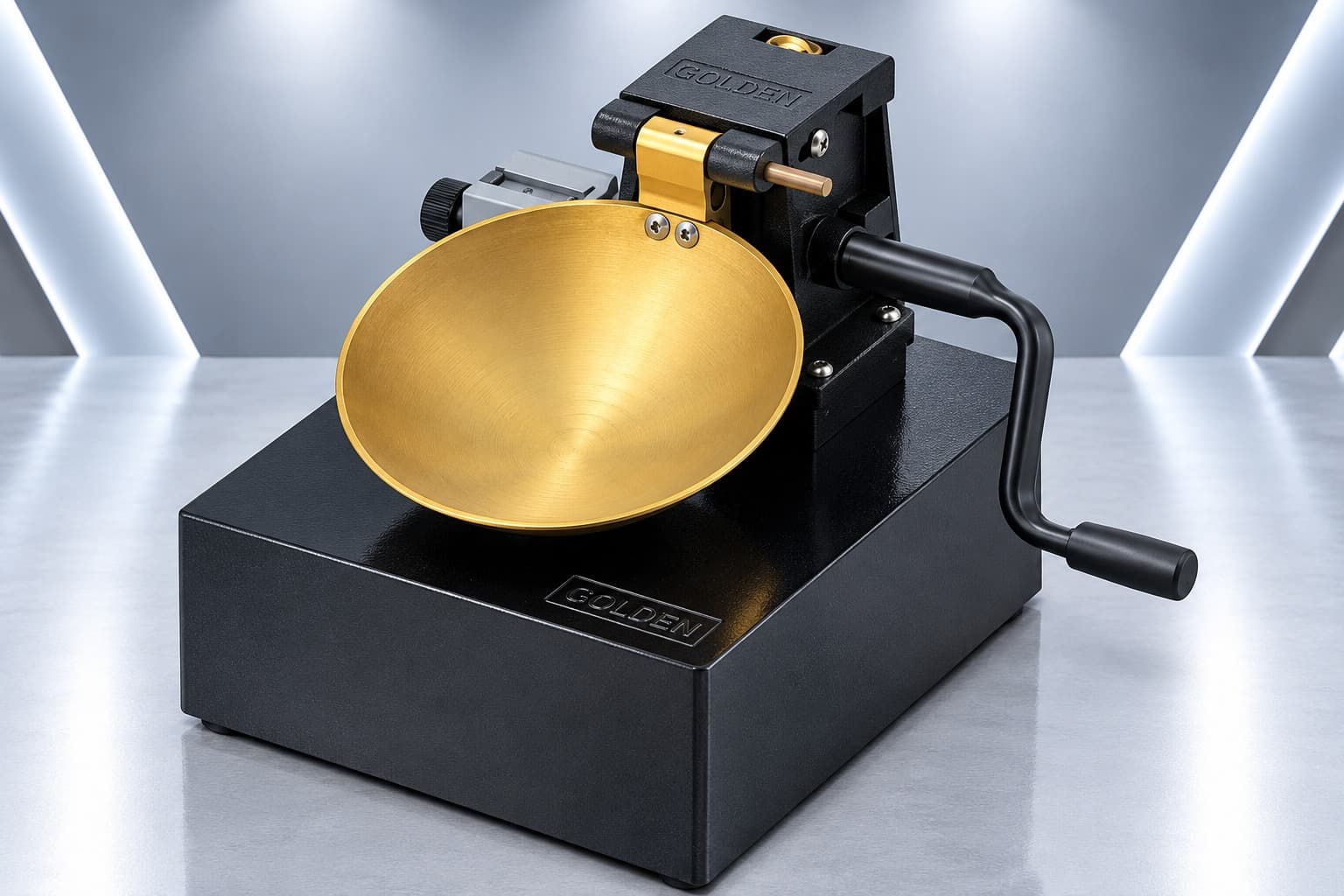
A Liquid Limit Device is an important soil testing instrument used to determine the liquid limit of fine-grained soil. The liquid limit is the moisture content at which soil transitions from plastic behaviour towards liquid behaviour under a specified test procedure. It is widely used in geotechnical investigations, soil classification, and civil engineering laboratory testing. If you are looking for a Liquid Limit Device in Khanna, choose equipment suitable for your laboratory's testing method and technical requirements.
Civil Testing Equipment provides product-related assistance for civil engineering and soil testing equipment enquiries. A commonly used Casagrande-type device consists of a cup, cam-operated lifting mechanism, base, handle, and grooving tool. Depending on the model, it may be manually operated or motorised. Supporting equipment, including a weighing balance, spatula, moisture containers, and drying oven, may also be needed to complete the test.
Liquid Limit Device Manufacturer in Khanna
When evaluating a Liquid Limit Device Manufacturer in Khanna, buyers should check the cup assembly, base, drop mechanism, grooving tool compatibility, and available controls. These components help determine whether the instrument is appropriate for the laboratory's selected testing procedure.
Civil Testing Equipment can be contacted to discuss product requirements and obtain relevant product details. Buyers comparing a Liquid Limit Device Manufacturer in Khanna should confirm the supplied configuration and verify the relevant specifications before placing an order. Manual and motorised models may differ in their operating mechanism and included accessories.
Working Principle of the Liquid Limit Device
In the Casagrande method, a prepared soil paste is placed inside the cup and levelled according to the applicable procedure. A standard grooving tool is used to create a groove through the soil sample. The cup is then repeatedly lifted and dropped onto the base by operating the handle or motor. The number of blows required for the groove to close over the specified distance is recorded.
The test is performed at different moisture contents, and the recorded results are used to determine the liquid limit according to the applicable standard. Correct sample preparation, suitable groove formation, proper equipment adjustment, and consistent operation are essential for meaningful results. Other approved methods, such as the fall-cone method, use different equipment and procedures.
Key Components and Applications
A Casagrande-type liquid limit testing setup may include:
-
Cup: Holds the prepared soil sample during the test.
-
Base: Provides the surface onto which the cup repeatedly falls.
-
Cam mechanism: Raises and releases the cup during operation.
-
Handle or motor: Operates the mechanism, depending on the model.
-
Grooving tool: Forms the required groove in the soil paste.
-
Blow counter: Records the number of blows on models equipped with a counter.
The equipment is used in soil testing laboratories, civil engineering colleges, geotechnical investigation facilities, and construction quality-control laboratories. Liquid limit results can be considered alongside plastic limit results to calculate the plasticity index, which supports soil classification.
Liquid Limit Device Supplier in Khanna
Choosing a Liquid Limit Device Supplier in Khanna involves checking the instrument's configuration, operating mechanism, cup arrangement, grooving tools, and other included components. Buyers should also confirm whether the selected model suits the test method followed by their laboratory.
When contacting Civil Testing Equipment, share your required application and any relevant test standard so the product details can be reviewed. Customers comparing a Liquid Limit Device Supplier in Khanna should request clarification about the supplied accessories and confirm the final specifications before ordering.
Benefits for Soil Testing Laboratories
Liquid limit testing helps engineers understand the consistency characteristics of fine-grained soils. The resulting value can contribute to soil classification and geotechnical assessment when considered with other relevant test results. A suitable device helps laboratory personnel carry out the prescribed procedure using a consistent cup movement and groove-closing observation.
For laboratories considering a Liquid Limit Device in Khanna, it is important to select a model that suits their testing requirements and available laboratory setup. The reliability of the result also depends on sample preparation, correct operation, and following the applicable testing standard.
Liquid Limit Device Distributor in Khanna
Before purchasing from a Liquid Limit Device Distributor in Khanna, review the product description, cup and base arrangement, operating mechanism, counter availability, and included grooving tools. These details help determine whether the instrument is suitable for your laboratory's routine testing work.
Civil Testing Equipment welcomes enquiries from educational institutions, soil testing laboratories, geotechnical professionals, and construction quality-control teams. Buyers comparing a Liquid Limit Device Distributor in Khanna should communicate their requirements clearly and verify the final product configuration before confirming an order.
Liquid Limit Device Exporter in Khanna
For buyers arranging procurement outside their local market, a Liquid Limit Device Exporter in Khanna may be an option to enquire with about the required equipment. Before finalising an order, share the model requirements, quantity, delivery destination, and any documentation needed for purchasing or shipment.
Product availability, packaging, and shipping arrangements should be confirmed directly before purchase. Buyers contacting a Liquid Limit Device Exporter in Khanna should provide clear technical and delivery requirements so the requested configuration can be reviewed.
How to Select the Right Liquid Limit Device
Consider these points before selecting equipment:
-
Testing method: Confirm whether your laboratory uses the Casagrande method or another prescribed method.
-
Operating mechanism: Decide whether a manual or motorised model is appropriate for your workflow.
-
Cup and base: Check the configuration and relevant dimensions against the required test procedure.
-
Grooving tool: Confirm compatibility with the specified test method.
-
Counter and accessories: Check whether a blow counter and the required accessories are included.
-
Documentation: Request the available product specifications and operating instructions.
These checks help buyers compare equipment according to actual testing needs. A Liquid Limit Device in Khanna should be selected based on the applicable method and verified product details rather than price alone.
Why Contact Civil Testing Equipment?
Civil Testing Equipment supports enquiries related to civil engineering and laboratory testing equipment. Sharing your application, required operating mechanism, and test procedure can help clarify which product details are relevant to your purchase.
If you need a Liquid Limit Device in Khanna for soil classification, geotechnical investigations, or laboratory testing, contact the team to discuss your requirements and confirm the available product information.
Get a Quote
Company: Civil Testing Equipment
Phone: +91-8826549585
Email: civiltestingequipment@gmail.com
Frequently Asked Questions
1. What is a Liquid Limit Device used for?
It is used to determine the liquid limit of fine-grained soil according to a specified laboratory test procedure.
2. What is the Casagrande method?
It is a method in which soil paste is placed in a cup, a groove is formed, and the cup is repeatedly dropped onto a base. The groove-closing behaviour is recorded to determine the liquid limit.
3. What are the main components of a Casagrande device?
Common components include a cup, base, cam mechanism, handle or motor, and grooving tool. Some models also include a blow counter.
4. What is the difference between manual and motorised devices?
A manual model is operated using a handle, while a motorised model uses a motor to operate the cup mechanism. The available features depend on the specific model.
5. Why is the liquid limit important in soil testing?
It helps characterise fine-grained soil and, together with the plastic limit, can be used to calculate the plasticity index for soil classification.
6. What should I check before purchasing?
Confirm the testing method, operating mechanism, cup and base arrangement, grooving tool compatibility, included accessories, and available product documentation.