TEST SIEVES in Kotdwar
Get In Touch
Test Sieves in Kotdwar – Manufacturer, Supplier & Exporter
Test Sieves in Kotdwar are essential laboratory tools used to separate and classify materials according to particle size. They are widely used in soil testing, aggregate analysis, cement testing, road construction and other quality-control applications. By passing a representative sample through sieves with defined openings, laboratories can determine particle-size distribution and evaluate whether materials meet specified grading requirements.
Civil Testing Equipment supplies civil engineering and construction material testing equipment for laboratories, contractors, educational institutions and infrastructure projects. When choosing test sieves, buyers should consider the material being tested, required aperture sizes, frame dimensions, mesh material and applicable testing standards.
Test Sieves Manufacturer in Kotdwar
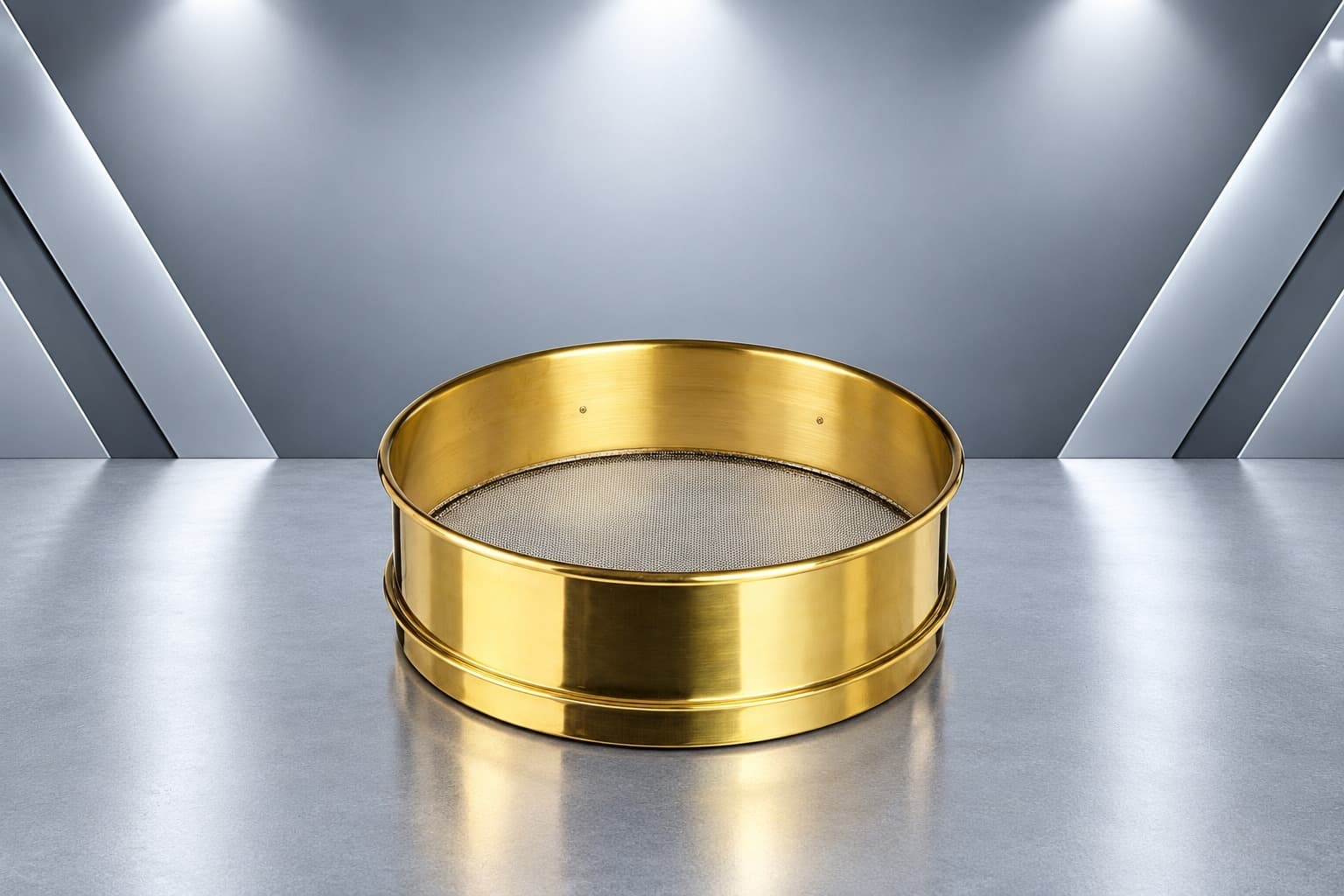
Test sieves generally consist of a circular frame fitted with woven wire mesh or, for particular applications, a perforated metal plate. The selected aperture size determines which particles pass through and which remain on the sieve. Several sieves can be stacked in descending aperture order, with a collection pan below and a lid above when required.
As a Test Sieves Manufacturer in Kotdwar, the supplier should provide clear details about mesh openings, frame construction, available sizes and intended applications. Buyers should confirm whether the selected sieve is intended for routine analysis, inspection or calibration-related work, because the required verification and documentation can differ.
Working Principle of Test Sieving
A prepared sample is placed on the top sieve of a selected sieve stack. The sample is agitated manually or with a suitable sieve shaker, allowing smaller particles to pass through the openings while larger particles remain above. After sieving, the retained material is measured and used to calculate the distribution of particle sizes.
Test Sieves in Kotdwar are used in both manual and mechanical sieve-analysis arrangements. Consistent sample preparation, appropriate sieving time, clean mesh openings and accurate weighing are important for reliable results. The exact procedure should follow the relevant test method for the material being analysed.
Key Features and Benefits
-
Defined aperture sizes: Different openings support separation across a specified particle-size range.
-
Woven wire mesh: Suitable for many common laboratory particle-size analysis applications.
-
Perforated plate options: Used where the relevant method calls for larger openings or a plate-style sieve.
-
Stackable arrangement: Compatible sieves can be arranged in a stack for sequential separation.
-
Frame options: Frame materials and diameters can vary according to the model and application.
-
Clear identification: Sieve labels should identify relevant aperture and product details.
-
Multiple applications: Useful for grading soil, aggregates, cement-related materials and other granular samples.
-
Repeatable procedures: Standardised sieve selection and operating methods help laboratories compare results consistently.
Features depend on the model. Confirm mesh material, frame dimensions, aperture tolerances and included accessories before ordering.
Technical Specifications to Confirm
| Parameter | What to verify |
|---|---|
| Sieve type | Woven wire mesh or perforated metal plate |
| Aperture size | Required nominal opening for the test method |
| Frame material | Stainless steel, brass or another specified material |
| Frame diameter | Compatibility with the existing sieve stack or shaker |
| Sieve height | Full-height or half-height configuration, if available |
| Accessories | Matching lid, receiving pan and other required items |
| Compliance | Applicable standard and the documentation available |
| Verification | Whether inspection or calibration documentation is required |
ASTM E11 covers requirements for woven-wire sieve cloth and test-sieve construction. ISO 3310-1 applies to metal wire-cloth sieves, while ISO 3310-2 addresses perforated metal-plate sieves. Choose the standard according to the sieve type and the testing procedure required by your laboratory.
Test Sieves Supplier in Kotdwar
When selecting a Test Sieves Supplier in Kotdwar, share the material type, required aperture sizes, frame diameter and relevant testing standard. If the sieves will be used with an existing sieve shaker, confirm that the frame dimensions and stack arrangement are compatible.
Civil Testing Equipment can assist with product enquiries and quotations based on the buyer's stated requirements. Before purchasing, verify the number of sieves required, whether a pan and lid are included, the available documentation and the delivery schedule.
Applications and Industries
Test sieves are used in many material-testing environments, including:
-
Soil testing laboratories: For particle-size distribution and soil classification procedures.
-
Aggregate testing laboratories: For grading analysis of fine and coarse aggregates.
-
Road construction projects: For evaluating the grading of materials used in pavement and base layers.
-
Cement and construction-material laboratories: For methods that specify sieve-based particle separation.
-
Ready-mix concrete facilities: For aggregate quality control and grading checks.
-
Educational institutions: For civil engineering practicals and laboratory demonstrations.
-
Research and industrial laboratories: For analysing granular materials according to the applicable method.
The suitability of a particular sieve depends on the material, sample quantity and method. Use the relevant procedure rather than assuming that every sieve type is suitable for every material.
Test Sieves Distributor in Kotdwar
A Test Sieves Distributor in Kotdwar should clarify product availability, mesh options, frame dimensions and the documentation supplied with each model. Laboratories building a complete sieve-analysis setup may also need a compatible sieve shaker, receiving pan, lid, weighing balance and sample-preparation equipment.
When comparing options, consider the required aperture tolerances, construction quality, compatibility and long-term verification needs. A sieve intended for a tightly controlled testing procedure may require more documentation than one used for preliminary screening.
Test Sieves Exporter in Kotdwar
A Test Sieves Exporter in Kotdwar can be approached by international buyers seeking laboratory sieves, subject to confirmed export availability. Before placing an order, specify the required sieve sizes, applicable standard, frame material, quantity and destination.
Export buyers should also confirm packaging, shipping terms, delivery timelines and any inspection or calibration documents required by their organisation. Verify destination-specific requirements before finalising the purchase.
Selection, Care and Quality Control
Choose apertures according to the applicable grading limits and test method. Inspect the mesh for blockage, deformation, corrosion or damage before use. Clean the sieve carefully after testing without using methods that may distort the openings or damage the mesh-to-frame joint.
Store sieves in a dry, protected location and avoid stacking or handling them in a way that may deform the mesh. Where results are used for formal quality assurance, establish a suitable inspection and verification schedule based on usage and the applicable standard. Calibration or inspection claims should be supported by the documentation supplied for the individual sieve.
Why Choose Civil Testing Equipment?
Civil Testing Equipment supports enquiries for civil engineering and construction material testing equipment. Selecting the correct sieve configuration starts with understanding the material, required aperture sizes and testing standard.
When requesting a quotation, provide your sieve-size list, preferred frame material, frame diameter, required quantity and any documentation requirements. Confirm the final product specifications and included accessories before placing the order.
Get a Quote
Contact Civil Testing Equipment for pricing, availability and configuration details for test sieves.
Phone: +91-8826549585
Email: civiltestingequipment@gmail.com
Frequently Asked Questions
What are test sieves used for?
They separate particles according to size and help laboratories determine particle-size distribution in materials such as soil and aggregates.
Which standards apply to test sieves?
ASTM E11 covers woven-wire test sieves, ISO 3310-1 covers metal wire-cloth sieves, and ISO 3310-2 covers perforated metal-plate sieves. Confirm the required standard for your test method.
What should I check when buying from a Test Sieves Supplier in Kotdwar?
Confirm the aperture sizes, frame diameter, mesh or plate type, frame material, included accessories and any inspection or calibration documentation required.
How do I choose a Test Sieves Distributor in Kotdwar?
Compare the offered sieve specifications with your testing method and existing equipment. Check availability, compatibility, documentation and delivery terms.
Can I enquire with a Test Sieves Exporter in Kotdwar for international delivery?
You can enquire about export availability by sharing the required sieve sizes, applicable standard, quantity and destination. Packaging and documentation requirements should be confirmed before ordering.