COMPACTION TEST APPARATUS in Patiala
Get In Touch
Compaction Test Apparatus in Patiala
A Compaction Test Apparatus is an essential soil testing setup used to determine the relationship between moisture content and dry density of soil. It helps laboratory professionals establish the Optimum Moisture Content (OMC) and Maximum Dry Density (MDD), which are important parameters in geotechnical investigations and construction quality control. If you are looking for a Compaction Test Apparatus in Patiala, choose equipment that matches your required test procedure, mould dimensions, and compaction effort.
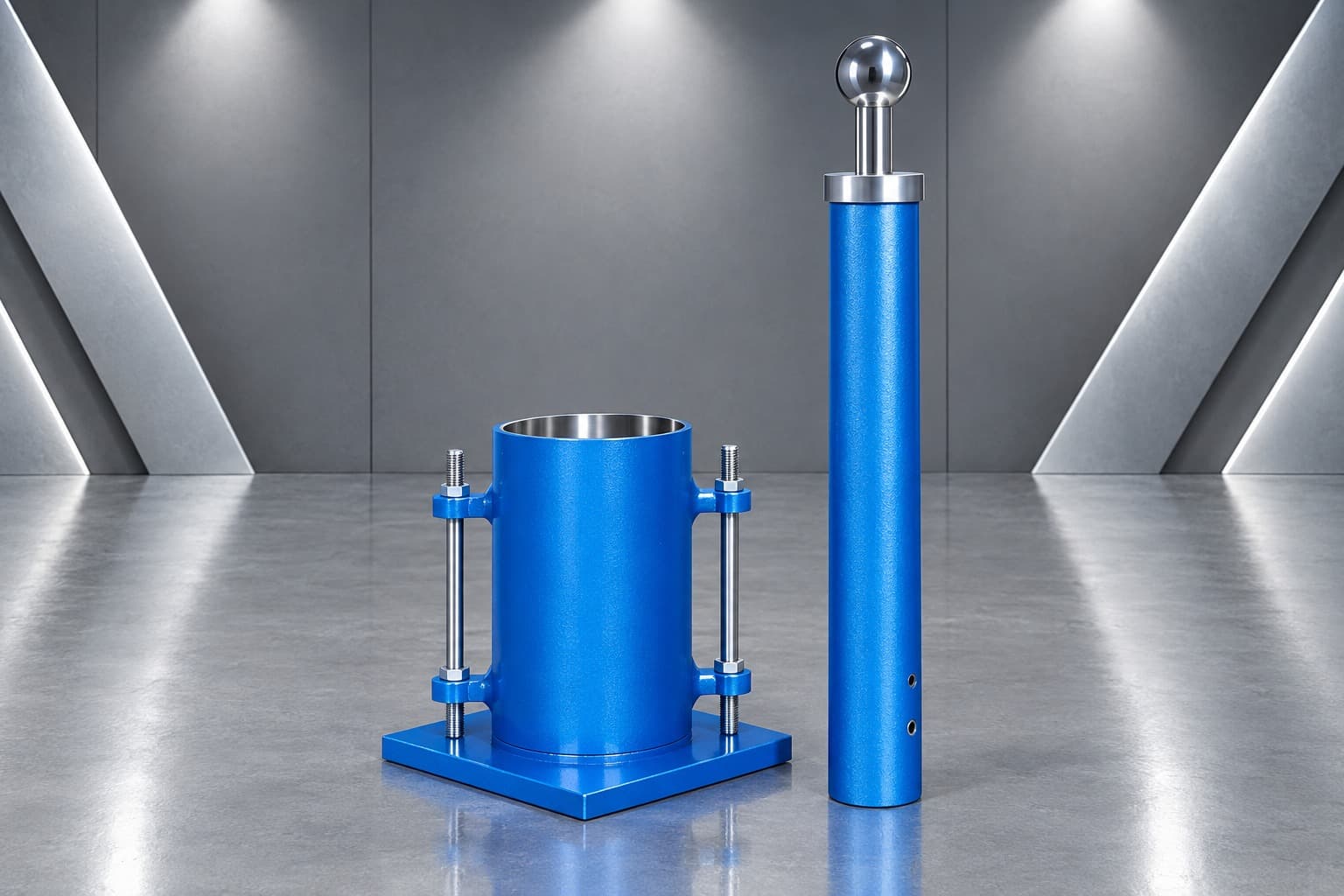
Civil Testing Equipment provides product-related assistance for civil engineering and laboratory testing equipment enquiries. The apparatus generally includes a compaction mould, rammer, collar, and base plate. Additional tools such as a balance, mixing tray, straightedge, and moisture-content testing equipment are used during the complete testing process.
Compaction Test Apparatus Manufacturer in Patiala
When searching for a Compaction Test Apparatus Manufacturer in Patiala, it is important to understand the type of compaction test your laboratory needs to perform. Standard or light compaction and modified or heavy compaction procedures use different compaction efforts and may require different mould and rammer configurations.
Civil Testing Equipment can be contacted to discuss product requirements and relevant equipment details. Buyers comparing a Compaction Test Apparatus Manufacturer in Patiala should verify the specifications against the applicable testing standard before finalising their selection. The required configuration should be confirmed rather than assumed, as dimensions and rammer arrangements can vary between test methods.
Working Principle of Compaction Testing
The test evaluates how soil density changes as its moisture content varies under a specified compaction effort. A prepared soil sample is mixed with a measured quantity of water and placed inside the compaction mould in layers. Each layer is compacted using the prescribed rammer weight, drop height, and number of blows.
After compaction, the soil is levelled and the mould containing the sample is weighed. Moisture content is determined using a suitable procedure, and the process is repeated with different moisture contents. The results are used to plot a moisture-content versus dry-density curve, from which OMC and MDD can be determined.
A Compaction Test Apparatus in Patiala may be required by soil testing laboratories, civil engineering colleges, geotechnical consultants, road construction organisations, and quality-control departments working on earthworks and foundations.
Key Components and Applications
The main components and supporting equipment commonly used in compaction testing include:
-
Compaction mould: Holds the soil specimen during the test and has a defined internal volume.
-
Rammer: Applies the required compaction effort to the soil in layers.
-
Collar: Provides additional height for placing and compacting soil before trimming.
-
Base plate: Supports the mould during the compaction procedure.
-
Supporting tools: A weighing balance, mixing tray, straightedge, water-measuring equipment, and moisture-content testing equipment may be needed for the complete test.
The apparatus is used in laboratory evaluations associated with road subgrades, embankments, earth fills, foundation works, and other civil engineering projects. The exact setup should be selected according to the relevant standard and the laboratory’s intended application.
Compaction Test Apparatus Supplier in Patiala
A Compaction Test Apparatus Supplier in Patiala should be able to clarify the available configuration and help buyers identify which product details need to be checked before ordering. Important considerations include mould capacity, internal dimensions, rammer weight, drop height, material, and included accessories.
When contacting Civil Testing Equipment, share your testing standard and application requirements so the product details can be reviewed. Buyers comparing a Compaction Test Apparatus Supplier in Patiala should also confirm the components included in the quotation and whether the proposed setup suits their existing laboratory workflow.
Benefits for Soil Testing Laboratories
Compaction testing helps engineers understand the moisture-density relationship of a soil sample under controlled laboratory conditions. The results support decisions about moisture conditioning and compaction requirements for construction projects. When used correctly, a suitable apparatus helps maintain a consistent test procedure and provides measurements needed to prepare a compaction curve.
For buyers considering a Compaction Test Apparatus in Patiala, selecting the correct test configuration is more important than relying on product appearance alone. Proper soil preparation, accurate weighing, consistent compaction, and correct moisture-content measurement all contribute to meaningful results.
Compaction Test Apparatus Distributor in Patiala
Before purchasing from a Compaction Test Apparatus Distributor in Patiala, buyers should review the product description, mould size, rammer arrangement, supplied accessories, and relevant technical documentation. These details help ensure that the apparatus is suitable for the intended laboratory procedure.
Civil Testing Equipment welcomes enquiries from construction companies, educational institutions, civil engineering laboratories, and geotechnical testing facilities. Customers comparing a Compaction Test Apparatus Distributor in Patiala should provide their requirements in advance and confirm the final product specifications before placing an order.
Compaction Test Apparatus Exporter in Patiala
For procurement beyond the local market, a Compaction Test Apparatus Exporter in Patiala may be an option to enquire with about equipment requirements. Buyers should specify the required configuration, quantity, delivery destination, and any documentation needed for purchasing or shipment.
Product availability, packaging, and shipping arrangements should be confirmed directly before the order is finalised. Buyers contacting a Compaction Test Apparatus Exporter in Patiala should provide clear technical and delivery requirements to help avoid confusion during procurement.
How to Select the Right Apparatus
Consider the following points before making a purchase:
-
Test standard: Identify the applicable procedure, such as the relevant IS, ASTM, AASHTO, or BS method.
-
Compaction type: Confirm whether light or heavy compaction is required.
-
Mould dimensions: Verify the mould size and capacity prescribed for the test.
-
Rammer details: Check the required weight, face dimensions, and drop height.
-
Accessories: Confirm whether the collar, base plate, and other required components are included.
-
Documentation: Request the available product specifications and operating instructions.
These checks help laboratories compare equipment according to their actual requirements. A Compaction Test Apparatus in Patiala should always be chosen based on the applicable procedure and confirmed product details.
Why Contact Civil Testing Equipment?
Civil Testing Equipment supports enquiries related to civil engineering and laboratory testing equipment. Sharing your intended application, testing standard, and required configuration can help clarify which product details are relevant to your purchase.
If you are planning to buy a Compaction Test Apparatus in Patiala for a laboratory, educational institution, or construction quality-control application, contact the team to discuss your requirements.
Get a Quote
Company: Civil Testing Equipment
Phone: +91-8826549585
Email: civiltestingequipment@gmail.com
Frequently Asked Questions
1. What is a Compaction Test Apparatus used for?
It is used to determine the relationship between soil moisture content and dry density under a specified compaction effort, helping establish OMC and MDD.
2. What are the main components of the apparatus?
Common components include a compaction mould, rammer, collar, and base plate. Other supporting laboratory tools are used to prepare samples and measure moisture content.
3. What is the difference between light and heavy compaction?
They use different levels of compaction effort and may require different rammer configurations. The applicable test standard determines the required setup.
4. Who uses compaction testing equipment?
Soil testing laboratories, civil engineering institutions, geotechnical professionals, and construction quality-control teams use it for laboratory soil compaction testing.
5. How can I enquire about a Compaction Test Apparatus in Patiala?
Contact Civil Testing Equipment at +91-8826549585 or civiltestingequipment@gmail.com and share your test standard and equipment requirements.
6. What should I check before ordering?
Confirm the test method, mould dimensions, rammer specifications, included accessories, and available technical documentation before finalising the purchase.