ELONGATION GAUGE in Rohtak
Get In Touch
Elongation Gauge in Rohtak
Product Overview
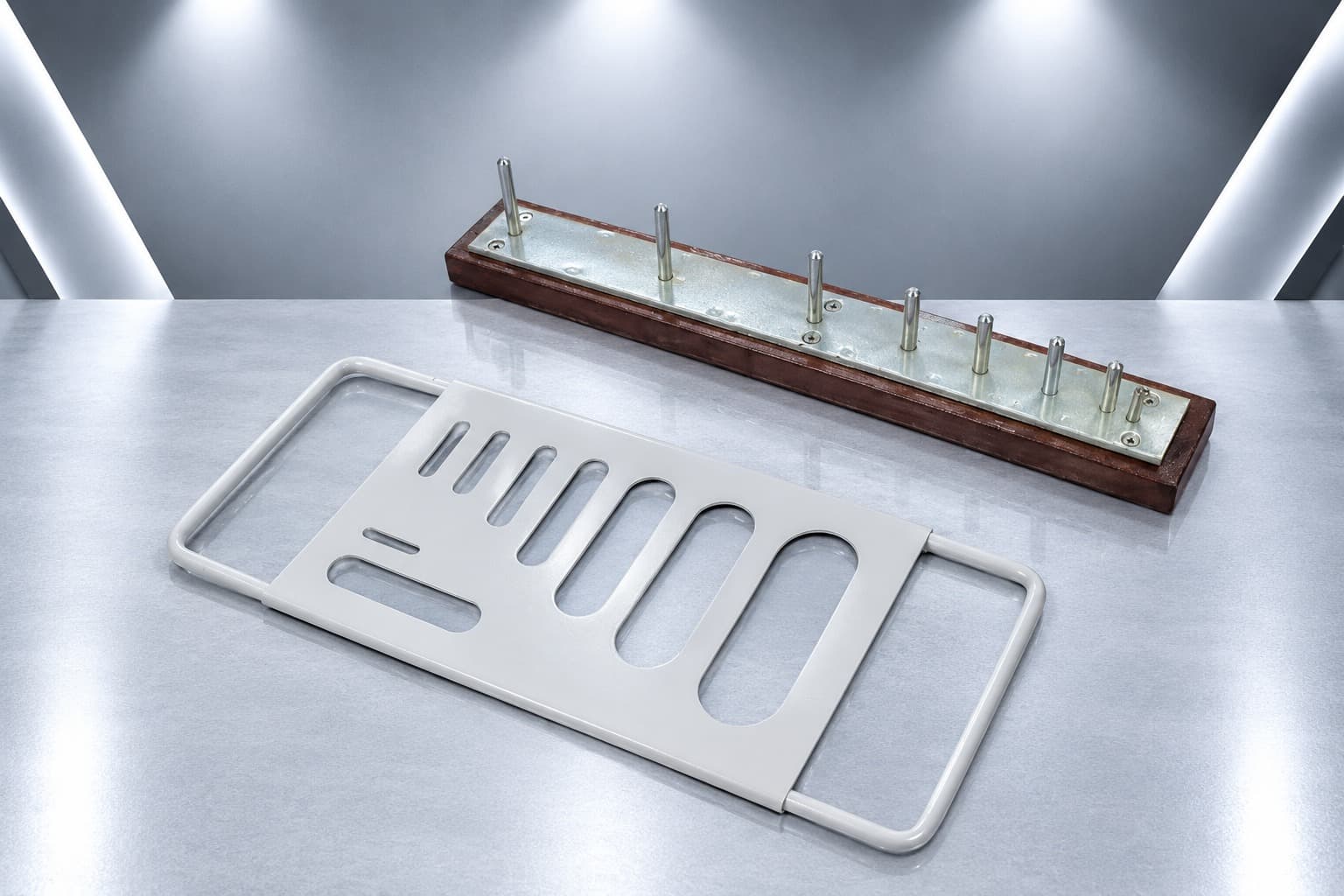
An Elongation Gauge in Rohtak is a manual testing instrument used in civil engineering laboratories to identify elongated aggregate particles during aggregate shape analysis. The test helps determine the elongation index of coarse aggregates, which is an important property when evaluating aggregate suitability for concrete, road construction, and other civil engineering applications.
Civil Testing Equipment provides construction-material testing equipment for laboratories, educational institutions, infrastructure projects, and quality-control departments. When selecting an Elongation Gauge in Rohtak, buyers should consider the applicable test method, aggregate size fractions, gauge slot dimensions, construction material, and compatibility with the laboratory's existing testing equipment.
Elongated particles can influence aggregate packing, workability, and the behaviour of aggregate mixtures. Evaluating particle shape helps laboratories understand the physical characteristics of an aggregate sample and make informed decisions about material quality.
Working Principle
The elongation gauge works by comparing the length of individual aggregate particles with the specified gauge opening for their respective size fractions. After the sample is separated into the required size fractions using appropriate sieves, particles are passed through the corresponding length-gauge openings according to the prescribed procedure.
Particles identified as elongated are collected and weighed. Their total weight is then used in calculating the elongation index as a percentage of the total weight of the aggregate sample assessed, following the applicable test method.
A typical Elongation Gauge in Rohtak may consist of a rigid metal frame or base with slots or measuring openings corresponding to specified aggregate sizes. The precise arrangement and dimensions should follow the required test method.
Key Features and Benefits
-
Defined gauge openings: Help classify aggregate particles according to specified length criteria.
-
Rigid construction: A metal frame or suitable base supports routine laboratory handling.
-
Manual operation: Allows technicians to assess individual aggregate particles without a powered mechanism.
-
Multiple size categories: Different openings support the evaluation of aggregate fractions as required by the procedure.
-
Straightforward handling: A suitable design helps technicians separate elongated particles efficiently.
-
Laboratory-friendly construction: A robust, easy-to-clean instrument supports repeated testing.
-
Suitable for quality-control work: Supports aggregate shape assessment for construction and road-material applications.
The number of slots, construction material, dimensions, finish, and supplied accessories vary by model. Buyers should confirm these details against their laboratory's test requirements.
Technical Specifications
| Parameter | Details |
|---|---|
| Equipment name | Elongation Gauge |
| Primary application | Determination of aggregate elongation index |
| Operating method | Manual |
| Construction | Metal or other specified gauge construction |
| Measuring arrangement | Slots or length-gauge openings |
| Sample material | Coarse aggregate |
| Sample preparation | Sieving into the required size fractions |
| Result | Elongation index, expressed as a percentage by weight |
| Applicable standard | IS 2386 (Part 1), subject to the current applicable edition |
| Gauge dimensions | Confirm according to the selected model and test method |
These are general equipment characteristics, not guaranteed specifications for every model. Confirm the slot dimensions, supported aggregate fractions, construction material, and applicable standard before ordering.
Applications in Construction Material Testing
An Elongation Gauge in Rohtak is useful in laboratories that assess the physical shape of coarse aggregate used in concrete, pavement layers, and other construction applications.
Typical applications include:
-
Aggregate quality-control laboratories
-
Concrete mix design and evaluation facilities
-
Road construction and highway material laboratories
-
Civil engineering colleges and research institutions
-
Infrastructure project testing departments
-
Construction-material suppliers and aggregate processing facilities
The elongation index helps describe the proportion of elongated particles in a sample. Aggregate shape is one of several factors considered during material assessment; acceptance requirements depend on the intended application and relevant specification.
Standards and Correct Test Selection
IS 2386 (Part 1) covers methods for determining the size and shape of coarse aggregate, including elongation index assessment. The test procedure specifies how the sample is prepared, separated into size fractions, gauged, and weighed.
For correct testing, use the prescribed gauge opening for each size fraction and follow the applicable calculation procedure. The method has specific applicability limits, so the sample sizes and test requirements should be checked against the current standard before use.
Do not confuse an aggregate elongation gauge with a steel tensile-test extensometer. A tensile extensometer measures extension of a specimen during a mechanical test, while an aggregate elongation gauge classifies particle shape.
How to Choose the Right Gauge
Before purchasing, identify the applicable standard, the aggregate size fractions to be tested, and the required slot arrangement. Check the dimensions of the openings, frame stability, finish, and ease of cleaning. If the laboratory works with several aggregate fractions, ensure the selected gauge covers the required categories.
A suitable Elongation Gauge in Rohtak should match the test method and the laboratory's sample-processing procedure. Confirm the product drawing or specification sheet where available, particularly if the gauge will be used for formal quality-control reporting.
Elongation Gauge Manufacturer in Rohtak
When evaluating an Elongation Gauge Manufacturer in Rohtak, review the gauge design, slot arrangement, construction quality, and compatibility with the required aggregate testing procedure. Civil Testing Equipment can help buyers identify the specifications to confirm before requesting a quotation.
Elongation Gauge Supplier in Rohtak
Choosing an Elongation Gauge Supplier in Rohtak involves checking product availability, supported aggregate sizes, construction material, and delivery details. Sharing the relevant test standard and required size fractions helps the supplier identify a suitable configuration for your laboratory.
Elongation Gauge Distributor in Rohtak
An Elongation Gauge Distributor in Rohtak should clarify the available model options, gauge dimensions, and scope of supply. Before ordering, confirm that the instrument's openings correspond to the size fractions and procedure required for the intended test.
Elongation Gauge Exporter in Rohtak
For international procurement, an Elongation Gauge Exporter in Rohtak should confirm the required gauge configuration, destination, packaging arrangements, and applicable shipping documentation. Overseas buyers should provide the testing standard and technical requirements when requesting a quotation.
Why Choose Civil Testing Equipment?
Civil Testing Equipment supports buyers looking for equipment used in construction-material testing and laboratory quality control. Sharing the intended application, applicable standard, aggregate size range, and required configuration helps the team review your requirements more accurately.
Before purchasing an Elongation Gauge in Rohtak, request confirmation of the model dimensions, supported size fractions, included accessories, availability, and suitability for the intended test method.
Get a Quote
Contact Civil Testing Equipment for product details and a quotation. Please share the applicable test standard, aggregate size fractions, preferred gauge configuration, required quantity, and delivery location.
Phone: +91-8826549585
Email: civiltestingequipment@gmail.com
Frequently Asked Questions
What is an elongation gauge used for?
It is used to identify elongated aggregate particles and help determine the elongation index of a sample according to the applicable testing procedure.
Which standard is relevant to aggregate elongation testing?
IS 2386 (Part 1) is a relevant Indian Standard covering aggregate size and shape tests. Confirm the current applicable edition and procedure before testing.
How is the elongation index calculated?
The elongated particles retained or identified using the prescribed gauge are weighed, and their weight is expressed as a percentage of the total weight of the aggregate sample tested, following the applicable method.
Is an aggregate elongation gauge the same as a steel extensometer?
No. An aggregate elongation gauge classifies particle shape. A steel extensometer measures extension during a mechanical test.
Elongation Gauge Manufacturer in Rohtak: what details should I provide?
Share the applicable test standard, aggregate size fractions, required slot arrangement, and any specific construction or dimensional requirements.
Elongation Gauge Supplier in Rohtak: are multiple gauge sizes available?
Gauge configurations depend on the product model. Confirm the required size fractions and slot dimensions before placing an order.
Elongation Gauge Distributor in Rohtak: how do I confirm compatibility?
Compare the gauge openings and supplied specifications with the current test method and the aggregate size fractions used by your laboratory.
Elongation Gauge Exporter in Rohtak: what information is needed?
Provide the destination country, required gauge configuration, applicable standard, quantity, and any packaging or shipping documentation requirements.