IN-SITU VANE SHEAR TEST in Roorkee
Get In Touch
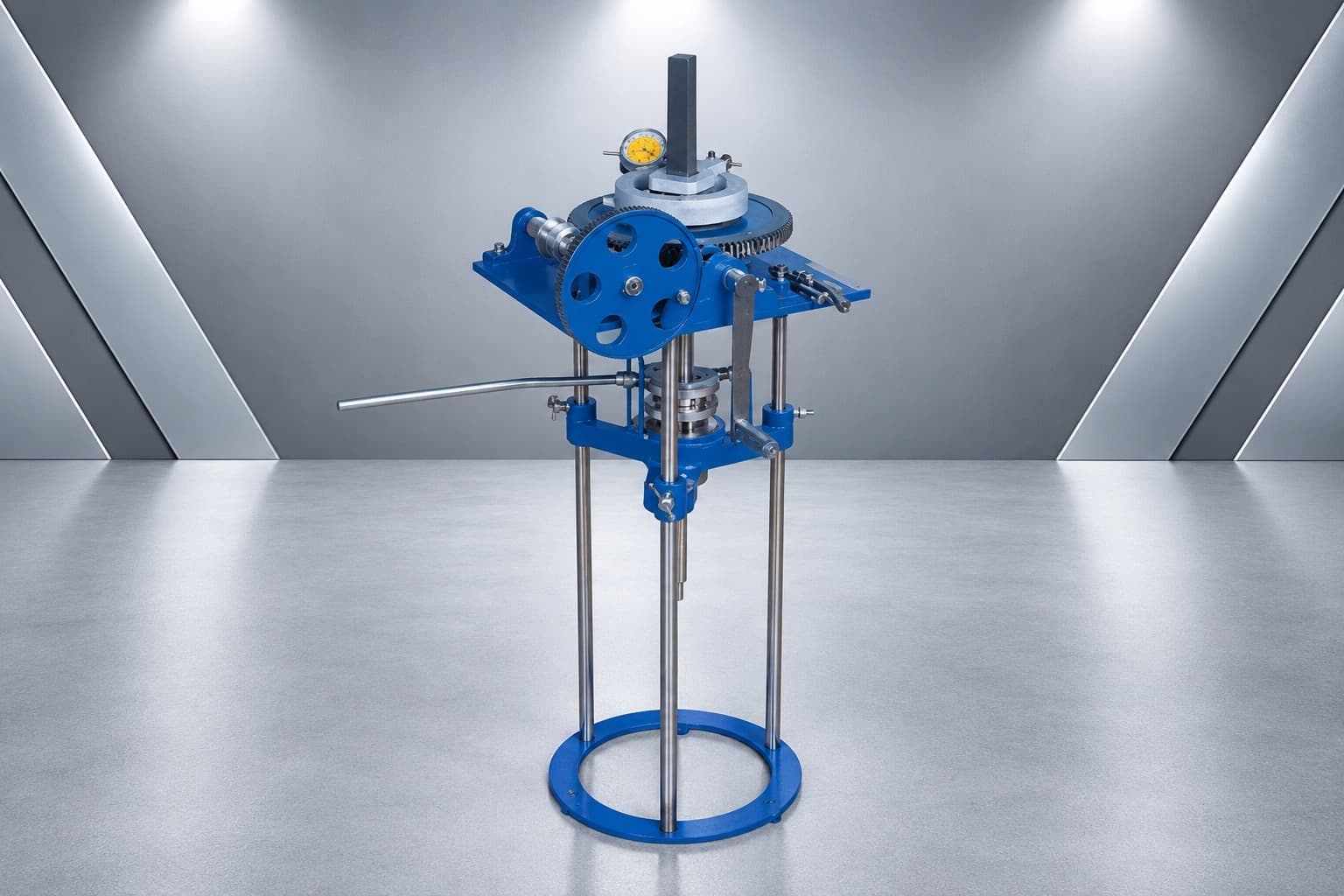
In Situ Vane Shear Test Apparatus in Roorkee
Product Overview
The in situ vane shear test is a geotechnical field test used to estimate the undrained shear strength of suitable soft, saturated cohesive soils. It is particularly useful when soil sampling and laboratory testing may disturb the natural soil structure. The apparatus uses a vane inserted into the soil and applies torque to determine the resistance offered by the soil during rotation.
When choosing an In Situ Vane Shear Test Apparatus in Roorkee, consider the soil conditions, vane dimensions, torque-measuring arrangement, rod assembly, and applicable testing procedure. The equipment should match the requirements of your geotechnical investigation and provide the components needed for the intended field test.
Civil Testing Equipments can discuss your requirements and help you check the available configuration. Confirm the exact model specifications, included accessories, price, and delivery schedule before placing an order.
Working Principle
The vane shear test generally uses a four-bladed vane attached to a rod. The vane is pushed into suitable soil to the required depth and rotated gradually. The torque required to cause soil failure is measured using the apparatus. This torque is then used with the vane geometry and the applicable calculation method to estimate undrained shear strength.
The test procedure may also include remoulding the soil and measuring resistance again to assess sensitivity, where required. Test results depend on soil conditions, vane dimensions, insertion method, rotation rate, equipment condition, and adherence to the prescribed procedure.
An In Situ Vane Shear Test Apparatus in Roorkee should therefore be selected according to the test method and the expected soil conditions. Correct equipment setup and careful torque measurement are important for reliable results.
Main Components and Features
The apparatus configuration depends on the model and testing arrangement. Common components may include:
-
Vane assembly: Blades that penetrate the soil and resist rotation.
-
Vane rod: Connects the vane to the torque-measuring mechanism.
-
Torque-measuring unit: Measures the torque applied during rotation.
-
Operating handle: Allows controlled rotation of the vane.
-
Extension rods: May be used to reach the required testing depth.
-
Supporting accessories: Components required for assembly, positioning, or field operation, depending on the configuration.
Before purchasing, confirm the vane dimensions, torque range, rod length, connection type, supplied accessories, and available documentation. Do not assume every apparatus includes identical components or measurement ranges.
Applications in Geotechnical Engineering
Vane shear testing is used in suitable soft cohesive soils for geotechnical investigation and engineering assessment. Applications may include:
-
Estimating the undrained shear strength of soft clay.
-
Investigating soil strength at different depths.
-
Supporting geotechnical site investigations.
-
Providing field data for foundation and earthwork assessments.
-
Comparing undisturbed and remoulded soil resistance where the procedure requires it.
-
Supporting engineering studies involving suitable saturated cohesive deposits.
The test is not suitable for every soil type. Gravelly, sandy, fissured, or highly heterogeneous soils may produce unreliable results or prevent proper vane insertion. Soil conditions and test limitations should be assessed before interpreting the measurements.
How to Select the Right Apparatus
Before ordering, review the following factors:
-
Soil conditions: Confirm that the expected soil is appropriate for vane shear testing.
-
Vane dimensions: Select a suitable vane geometry according to the relevant method and soil strength.
-
Torque range: Ensure the measuring unit is suitable for the expected resistance.
-
Testing depth: Confirm whether extension rods or additional accessories are required.
-
Measurement arrangement: Review the readability, operating mechanism, and documentation for the supplied unit.
-
Field portability: Consider the ease of assembly, transport, and operation at the site.
-
Maintenance: Check cleaning, inspection, and storage requirements.
An In Situ Vane Shear Test Apparatus Manufacturer in Roorkee should be able to confirm the specifications of the model it actually manufactures. Request a datasheet and verify that the apparatus suits your field-testing requirements.
Field Testing Procedure and Safety
Before starting, inspect the vane blades, rods, connections, operating handle, and torque-measuring unit. Assemble the equipment according to its instructions and position the vane at the required depth using the prescribed method. Avoid disturbing the soil more than necessary during insertion.
Rotate the vane at the rate specified by the applicable test procedure and record the measured torque accurately. Use the correct calculation for the vane geometry and follow the method's requirements for any additional measurements. Record soil conditions, depth, equipment details, and relevant observations for interpretation.
Use suitable personal protective equipment and keep the equipment stable during operation. Damaged blades, loose connections, or a faulty measuring mechanism can compromise results. Clean the apparatus after use and store the components securely to prevent corrosion, deformation, or loss.
Purchasing and Supply Considerations
When evaluating an In Situ Vane Shear Test Apparatus Supplier in Roorkee, provide your intended application, expected soil conditions, required testing depth, and quantity. Ask for written confirmation of the model, vane dimensions, torque-measuring range, included rods, accessories, price, availability, and delivery timeline.
For institutional or bulk procurement, match the quotation against the required testing procedure before approving the purchase. A suitable product description should make clear which components are included and which must be ordered separately.
When considering an In Situ Vane Shear Test Apparatus Distributor in Roorkee, confirm the offered configuration, availability, order terms, and dispatch arrangements. For overseas procurement, an In Situ Vane Shear Test Apparatus Exporter in Roorkee should clarify export packaging, shipping terms, destination requirements, and applicable documentation for the specific order.
Why Choose Civil Testing Equipments?
Civil Testing Equipments can discuss your geotechnical testing requirements and help check the available product configuration. Share your intended application, required accessories, and quantity so the relevant specifications can be confirmed before ordering.
When comparing an In Situ Vane Shear Test Apparatus Manufacturer in Roorkee, verify the company's actual manufacturing role and request model-specific technical details. Buyers seeking an In Situ Vane Shear Test Apparatus Supplier in Roorkee should confirm compatibility, included components, and delivery arrangements.
If you are sourcing through an In Situ Vane Shear Test Apparatus Distributor in Roorkee, verify stock availability and the dispatch timeline. International buyers considering an In Situ Vane Shear Test Apparatus Exporter in Roorkee should confirm shipping arrangements and the documentation required for their destination.
Get a Quote
Contact Civil Testing Equipments for product availability, pricing, and configuration details. Share your expected soil conditions, testing depth, required accessories, and quantity so the appropriate available option can be checked.
Phone: +91-8826549585
Email: civiltestingequipment@gmail.com
Frequently Asked Questions
1. What is an in situ vane shear test used for?
It is used to estimate the undrained shear strength of suitable soft, saturated cohesive soils directly in the field.
2. How do I choose an In Situ Vane Shear Test Apparatus in Roorkee?
For an In Situ Vane Shear Test Apparatus in Roorkee, confirm the soil conditions, vane dimensions, torque range, testing depth, accessories, and applicable test method.
3. What should I ask an In Situ Vane Shear Test Apparatus Manufacturer in Roorkee?
Ask the In Situ Vane Shear Test Apparatus Manufacturer in Roorkee to confirm the model specifications, vane geometry, torque-measuring arrangement, and supplied accessories. Verify the company's manufacturing role.
4. What should I confirm with an In Situ Vane Shear Test Apparatus Supplier in Roorkee?
An In Situ Vane Shear Test Apparatus Supplier in Roorkee should clarify the available configuration, included components, price, availability, and expected delivery schedule.
5. How do I evaluate an In Situ Vane Shear Test Apparatus Distributor in Roorkee?
When considering an In Situ Vane Shear Test Apparatus Distributor in Roorkee, verify the model, order terms, stock availability, and dispatch arrangements before purchase.
6. What should I check before ordering from an In Situ Vane Shear Test Apparatus Exporter in Roorkee?
An In Situ Vane Shear Test Apparatus Exporter in Roorkee should clarify export packing, shipping terms, destination requirements, and the documentation applicable to the order.