FLAKINESS GAUGE in Thane
Get In Touch
Flakiness Gauge in Thane
Product Overview
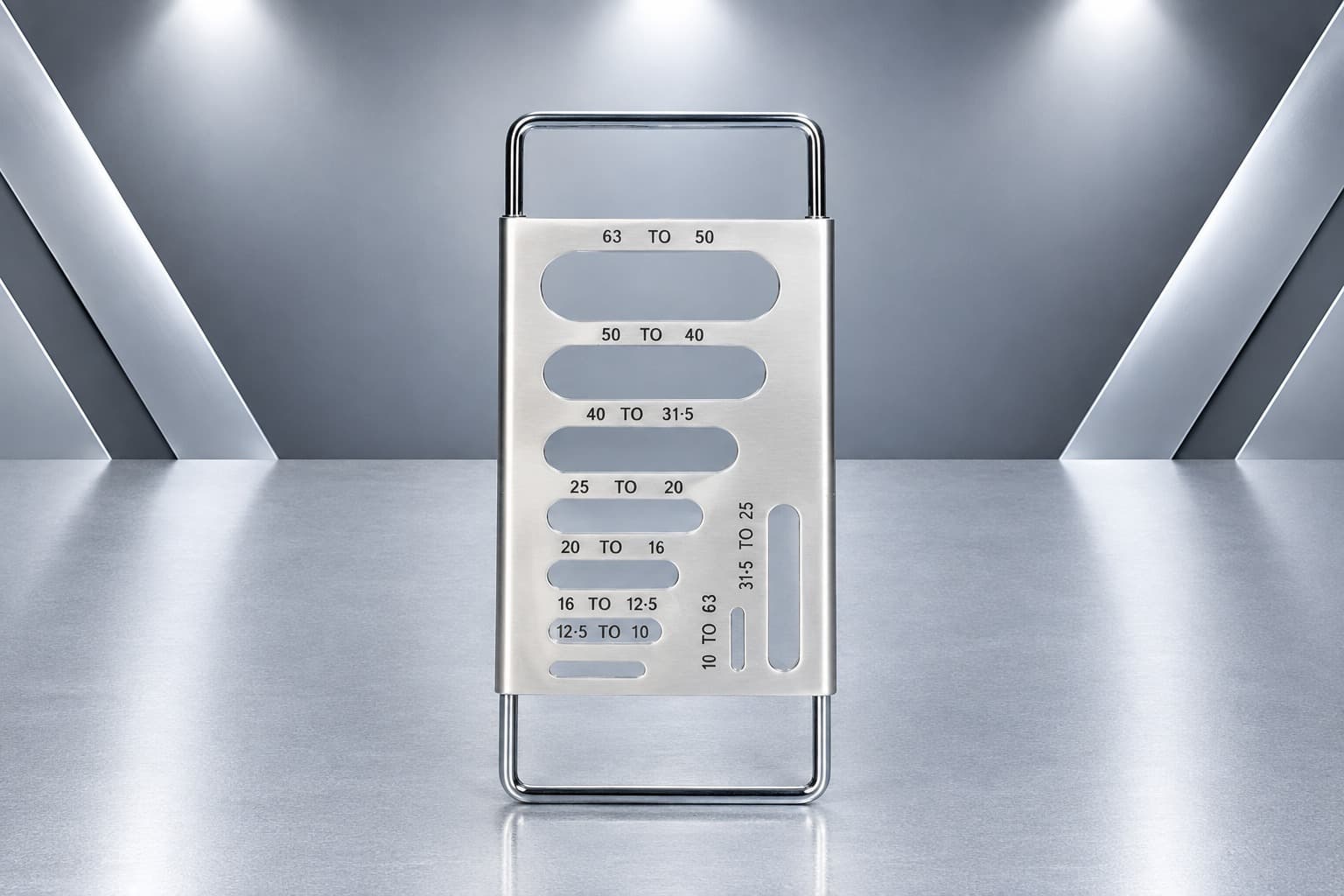
A Flakiness Gauge in Thane is an essential civil engineering laboratory instrument used to determine the flakiness index of coarse aggregates. It identifies aggregate particles whose thickness is less than the specified proportion of their mean size. This assessment helps laboratories evaluate aggregate shape for concrete production, road construction, pavement works, and infrastructure projects.
Civil Testing Equipment provides construction-material testing equipment for quality-control laboratories, contractors, engineering institutions, and research facilities. When selecting a Flakiness Gauge in Thane, buyers should consider the applicable test standard, gauge-slot dimensions, supported aggregate size fractions, construction material, and ease of handling.
Aggregate shape affects how particles pack together and interact within concrete and bituminous mixtures. Testing the flakiness index provides useful information about aggregate quality and helps engineers assess materials against the requirements of their intended application.
Working Principle
A flakiness gauge, also known as a thickness gauge, contains accurately sized openings for different aggregate fractions. The sample is first separated into specified size fractions using appropriate IS test sieves. Each fraction is then checked with the corresponding gauge opening according to the prescribed testing procedure.
Particles passing through the relevant thickness opening are classified as flaky for that fraction. Their mass is determined and used in calculating the flakiness index according to the applicable standard.
A typical Flakiness Gauge in Thane consists of a metal frame or plate with labelled slots of different dimensions. Depending on the design, it may feature a sliding panel, a coated finish, or a compact arrangement for manual testing.
Key Features and Benefits
-
Precisely sized slots: Help assess particle thickness according to specified aggregate fractions.
-
Durable metal construction: Supports routine use in construction-material testing laboratories.
-
Clearly labelled openings: Help operators identify the appropriate slot during testing.
-
Manual operation: Requires no electrical supply for the gauging process.
-
Portable design: Allows convenient handling and storage in laboratory environments.
-
Multiple size categories: Supports testing of the aggregate fractions specified by the applicable method.
-
Easy maintenance: A straightforward design makes cleaning and inspection convenient.
Slot dimensions, frame construction, finish, and overall design vary between models. Confirm the exact product configuration before ordering.
Technical Specifications
| Parameter | Details |
|---|---|
| Equipment name | Flakiness Gauge / Thickness Gauge |
| Primary application | Determination of aggregate flakiness index |
| Operating method | Manual |
| Test material | Coarse aggregate |
| Construction | Metal gauge with specified openings |
| Gauge arrangement | Multiple thickness slots |
| Sample preparation | Separation using appropriate test sieves |
| Result | Flakiness index, expressed as a percentage by weight |
| Applicable standard | IS 2386 (Part 1), subject to the current applicable edition |
| Accessories | Test sieves and weighing balance generally required separately |
The gauge dimensions must match the size fractions specified by the applicable standard. IS 2386 (Part 1) describes aggregate shape testing for relevant coarse aggregate fractions, including those from 63 mm down to 6.3 mm. Verify the required slot dimensions and current standard before purchasing. <Cite refs={["turn369300search21","turn369300search22"]}/>
Applications in Construction and Quality Control
A Flakiness Gauge in Thane is used by laboratories and construction professionals to assess aggregate particle shape before materials are accepted for specified uses.
Typical applications include:
-
Concrete and aggregate testing laboratories
-
Road and highway construction projects
-
Bituminous mixture quality-control facilities
-
Infrastructure and civil engineering projects
-
Construction-material research laboratories
-
Engineering colleges and technical institutes
-
Aggregate processing and supply facilities
Flaky particles can affect aggregate packing, concrete workability, and the behaviour of bituminous mixtures. However, the acceptability of an aggregate depends on the project specification, intended use, and relevant material standards. The flakiness index should be interpreted alongside other required aggregate test results.
Standards and Correct Test Procedure
IS 2386 (Part 1) is the relevant Indian Standard for determining aggregate particle size and shape, including the flakiness index. The procedure involves preparing the sample, separating the aggregate into specified sieve fractions, gauging the particles, weighing the material, and calculating the result.
For reliable results, use suitable sieves and a weighing balance with the required capacity and sensitivity. Follow the prescribed sampling, gauging, and calculation procedures rather than relying on visual inspection alone.
How to Choose the Right Gauge
Before ordering, identify the aggregate fractions your laboratory tests and verify the corresponding slot dimensions. Check the construction quality, readability of slot markings, finish, and ease of cleaning. Also confirm whether the required test sieves and weighing balance are included or need to be purchased separately.
A Flakiness Gauge in Thane should be compatible with your testing procedure and the applicable specification. Request the product drawing or specification details if precise dimensional verification is necessary.
Flakiness Gauge Manufacturer in Thane
When evaluating a Flakiness Gauge Manufacturer in Thane, review the slot dimensions, gauge construction, finish, and compatibility with the required aggregate testing method. Civil Testing Equipment can help buyers identify the specifications to confirm before requesting a quotation.
Flakiness Gauge Supplier in Thane
Choosing a Flakiness Gauge Supplier in Thane involves checking product availability, supported aggregate size fractions, included components, and delivery arrangements. Sharing your test standard and required configuration helps the supplier assess the appropriate option.
Flakiness Gauge Distributor in Thane
An Flakiness Gauge Distributor in Thane should clarify the available model configurations, slot dimensions, construction details, and scope of supply. Confirm that the selected gauge is suitable for your laboratory's testing requirements before placing an order.
Flakiness Gauge Exporter in Thane
For overseas procurement, a Flakiness Gauge Exporter in Thane should confirm the requested configuration, destination, packaging arrangements, and applicable shipping documentation. International buyers should provide their required test standard and technical specifications when requesting a quotation.
Why Choose Civil Testing Equipment?
Civil Testing Equipment supports laboratories and construction professionals looking for construction-material testing equipment. Sharing the required gauge dimensions, aggregate size fractions, test standard, and quantity helps the team review your requirements more accurately.
Before purchasing a Flakiness Gauge in Thane, request confirmation of the model specifications, included accessories, availability, and suitability for the intended testing procedure.
Get a Quote
Contact Civil Testing Equipment for product information and a quotation. Please share the applicable test standard, required slot dimensions, aggregate size range, quantity, and delivery location.
Phone: +91-8826549585
Email: civiltestingequipment@gmail.com
Frequently Asked Questions
What is a flakiness gauge used for?
A flakiness gauge is used to identify flaky coarse aggregate particles and determine the flakiness index according to the applicable test procedure.
Which standard applies to flakiness index testing?
IS 2386 (Part 1) covers methods for determining aggregate size and shape, including the flakiness index. Confirm the current applicable edition before testing.
What other equipment is needed for the test?
Appropriate IS test sieves and a weighing balance are generally needed alongside the gauge to prepare, separate, and weigh the aggregate fractions.
Why is the flakiness index important?
It helps describe aggregate particle shape, which can influence packing, workability, and performance in concrete and bituminous mixtures.
Flakiness Gauge Manufacturer in Thane: what specifications should I provide?
Share the applicable standard, aggregate size fractions, required slot dimensions, and any specific construction or finish requirements.
Flakiness Gauge Supplier in Thane: are test sieves included?
The scope of supply varies. Confirm whether the quotation covers only the gauge or also includes the required test sieves and weighing balance.
Flakiness Gauge Distributor in Thane: how do I verify compatibility?
Compare the supplied slot dimensions with the size fractions and gauge requirements specified by your applicable test method.
Flakiness Gauge Exporter in Thane: what information is required?
Provide the destination country, gauge configuration, required standard, quantity, and packaging or shipping documentation requirements.